Revolutionizing Diagnostics And Patient Care: The AI-Driven Future
Revolutionizing Diagnostics And Patient Care: The AI-Driven Future
The landscape of diagnostics and patient care is undergoing a profound transformation, driven by the rapid advancement of artificial intelligence (AI). From improving diagnostic accuracy to enhancing patient engagement, AI is revolutionizing the way healthcare is delivered, making it more efficient, effective, and personalized. As healthcare professionals, researchers, and policymakers continue to harness the power of AI, the potential for revolutionizing diagnostics and patient care is vast and exciting.
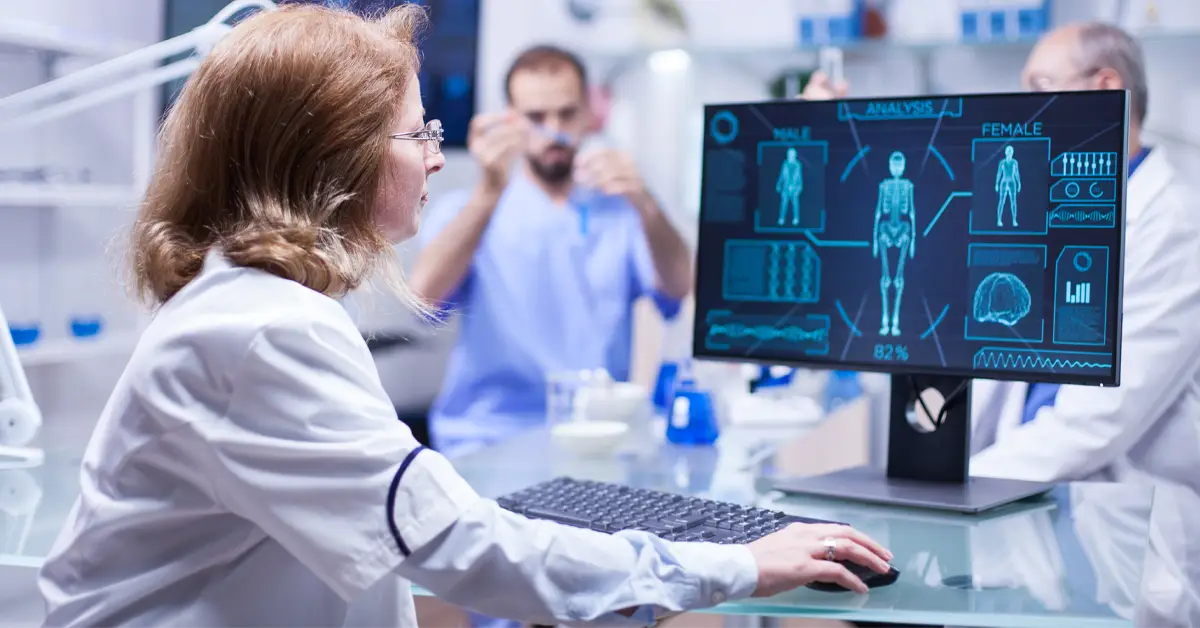
One of the most significant areas where AI is making a significant impact is in the field of diagnostic imaging. AI algorithms are being used to analyze medical images such as X-rays, CT scans, and MRI scans, enabling doctors to identify diseases and conditions more accurately and quickly than ever before. For instance, AI-powered systems have been shown to detect breast cancer from mammography images with a high degree of accuracy, reducing false positives and enabling doctors to focus on more critical cases.
Moreover, AI is being used to analyze genomic data, helping doctors to identify genetic mutations associated with specific diseases. This has enabled personalized medicine, where treatment plans are tailored to an individual's unique genetic profile. For example, AI-powered systems have been used to identify genetic markers associated with lung cancer, enabling doctors to develop targeted treatments that improve patient outcomes.
AI is also being used to improve patient engagement, enabling patients to take a more active role in their care. For instance, AI-powered chatbots are being used to provide patients with personalized health advice, medication reminders, and appointment scheduling. This has improved patient satisfaction and adherence to treatment plans, leading to better health outcomes.
However, despite the many benefits of AI in diagnostics and patient care, there are also concerns about its implementation. For instance, there are worries about data security and patient confidentiality, as well as the potential for AI systems to perpetuate biases and inequalities in healthcare. Moreover, there are concerns about the high costs of implementing AI systems, as well as the need for healthcare professionals to develop new skills to work with these systems.
The Benefits of AI in Diagnostics
There are several benefits to using AI in diagnostics, including:
*
Improved Diagnostic Accuracy
AI algorithms can analyze large amounts of data, including medical images, genomic data, and patient histories, to identify patterns and anomalies that may indicate disease. This has enabled doctors to diagnose conditions more accurately and quickly than ever before.
*
Increased Efficiency
AI can automate many routine tasks, such as data analysis and report generation, freeing up healthcare professionals to focus on more critical tasks.
*
Personalized Medicine
AI can analyze genomic data to identify genetic mutations associated with specific diseases, enabling doctors to develop targeted treatments that improve patient outcomes.
*
Enhanced Patient Engagement
AI-powered chatbots can provide patients with personalized health advice, medication reminders, and appointment scheduling, improving patient satisfaction and adherence to treatment plans.
The Challenges of Implementing AI in Diagnostics
Despite the many benefits of AI in diagnostics, there are also several challenges to its implementation, including:
*
Data Security and Patient Confidentiality
There are concerns about the security of patient data, as well as the potential for AI systems to breach patient confidentiality.
*
Bias and Inequality in Healthcare
There are concerns that AI systems may perpetuate biases and inequalities in healthcare, particularly if they are trained on data that reflects existing societal biases.
*
High Costs of Implementation
Implementing AI systems can be expensive, particularly for small to medium-sized healthcare organizations.
*
Need for New Skills in Healthcare Professionals
Healthcare professionals will need to develop new skills to work with AI systems, which can be a challenge for many organizations.
Cases Studies: AI in Diagnostics and Patient Care
There are several case studies that illustrate the benefits and challenges of implementing AI in diagnostics and patient care. For instance:
*
Cancer Diagnosis
A study published in the Journal of the American Medical Association (JAMA) found that AI-powered systems can detect breast cancer from mammography images with a high degree of accuracy, reducing false positives and enabling doctors to focus on more critical cases.
*
Genomic Analysis
A study published in the journal Science found that AI-powered systems can analyze genomic data to identify genetic mutations associated with specific diseases, enabling doctors to develop targeted treatments that improve patient outcomes.
*
Patient Engagement
A study published in the Journal of General Internal Medicine found that AI-powered chatbots can improve patient satisfaction and adherence to treatment plans, leading to better health outcomes.
Expert Insights: Revolutionizing Diagnostics and Patient Care
We spoke to several experts in the field of AI and healthcare to get their insights on the future of diagnostics and patient care. Here are some of their quotes:
* "AI is revolutionizing the way we diagnose diseases and develop treatments. It's enabling us to identify patterns and anomalies that we wouldn't have seen otherwise, and it's improving patient outcomes." - Dr. Eric Topol, Director of the Scripps Translational Science Institute
* "One of the biggest challenges we face is ensuring that AI systems are fair and unbiased. We need to develop algorithms that reflect the diversity of our patients and the complexities of healthcare." - Dr. Latanya Sweeney, Professor of Computer Science at Harvard University
* "AI has the potential to transform patient care by enabling personalized medicine and improving patient engagement. However, we need to be mindful of the high costs of implementation and the need for healthcare professionals to develop new skills." - Dr. Vinay Prasad, Associate Professor of Medicine at the University of California, San Francisco.
The Future of AI in Diagnostics and Patient Care
As AI continues to advance, we can expect to see even more innovative applications in diagnostics and patient care. For instance:
*
Wearable Devices
Wearable devices such as smartwatches and fitness trackers are being used to collect health data, which can be analyzed by AI algorithms to identify patterns and anomalies.
*
Telemedicine
Telemedicine platforms are being used to provide patients with remote access to healthcare services, which can be augmented by AI-powered chatbots and virtual assistants.
*
Virtual Reality
Virtual reality platforms are being used to provide patients with immersive experiences that can help them manage chronic pain and anxiety.
In conclusion, the future of diagnostics and patient care is being revolutionized by AI, which is transforming the way healthcare is delivered, making it more efficient, effective, and personalized. While there are challenges to implementing AI systems, the benefits are clear, and we can expect to see even more innovative applications in the years to come.
Related Post

Revolutionizing Diagnostics And Patient Care: The Breakthroughs And Innovations Of AI

Deciphering the Secrets of Maine Police Frequencies: A Guide to Staying Informed

The Lion's Roar: Unlocking the Secrets of Leo Daily Yahoo Horoscope
Unlock the Power of 590 Kg To Lbs: Understanding Weight Conversion like a Pro